
How to Prepare Your Roof for Wildfire Season in Southern Oregon
When the Smoke Rolls In, Your Roof Is Working Overtime
Every summer, homeowners across Southern Oregon watch the ridgelines for smoke. Anyone who lived through the 2020 Almeda Fire in Talent and Phoenix knows how fast a good day can turn. And when a wildfire moves through, the danger to your home usually doesn't arrive as a wall of flame — it arrives as embers, carried on the wind for a mile or more ahead of the fire itself.
Those wind-borne embers land somewhere. On a home, the roof is the biggest, most exposed surface they can find. A roof that's clean, sound, and built from the right materials shrugs those embers off. A roof full of dry needles and worn shingles gives them a foothold. This guide walks through exactly how to get your roof ready before fire season peaks.
Get a Free Estimate
Why the Roof Is the Most Vulnerable Part of Your Home
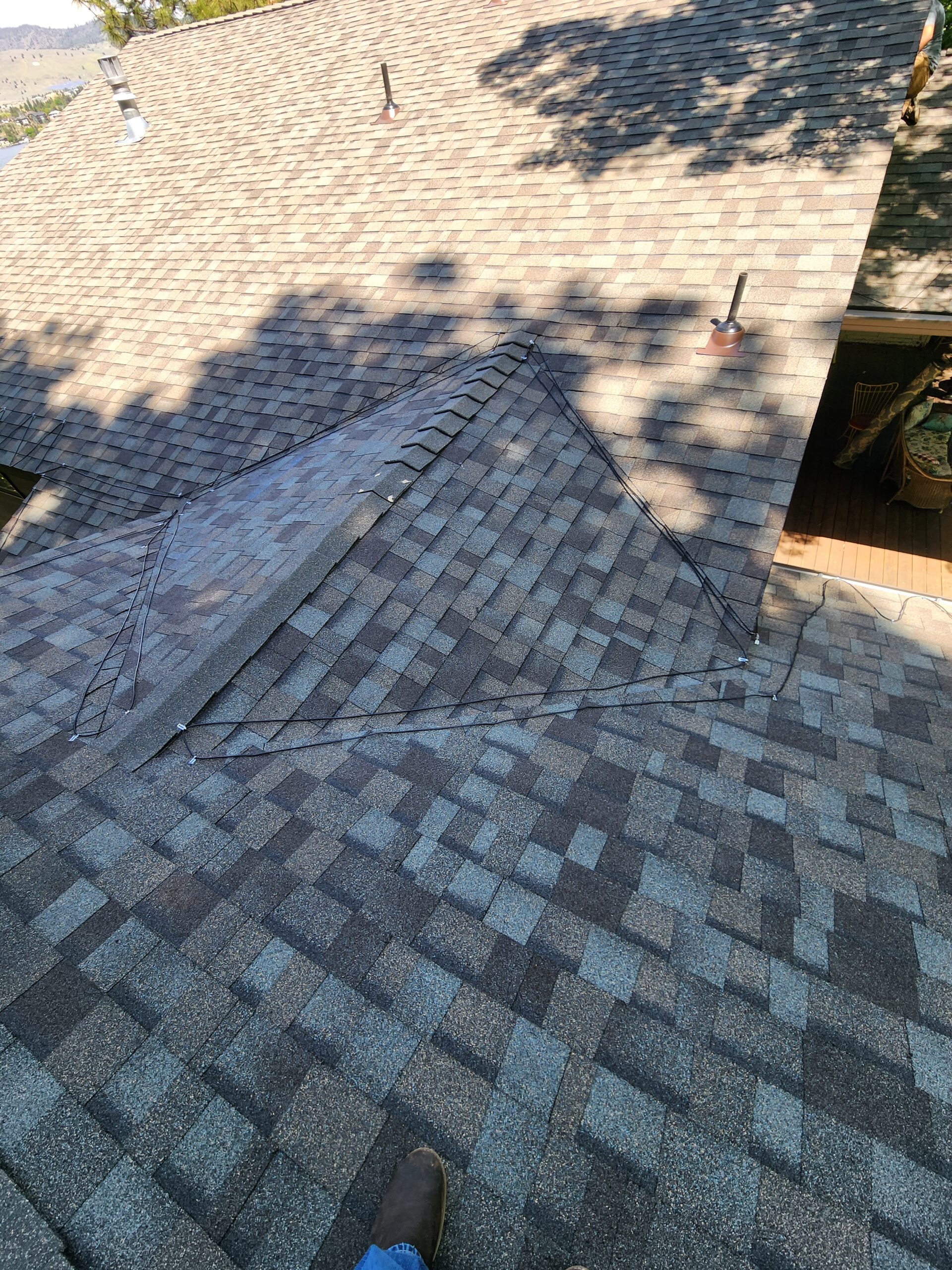
Embers are small, they travel far, and they collect in exactly the places a roof tends to trap them: in the leaf-and-needle debris that builds up in valleys and behind chimneys, in clogged gutters, and in the gaps under lifted or missing shingles. Once an ember lodges in dry material and gets a little airflow, it can smolder undetected and then catch. On older or neglected roofs, worn edges and cracked flashing give embers even more places to work their way in. The good news is that every one of these weak points is fixable — usually well before you'd ever need a full replacement. A roof that's clean, tight, and in good repair is one of the most effective wildfire protections a home can have.
"Awesome experience from start to finish. The crew worked fast, showed up on time and cleaned up every day. If you need roofing done Wrights Roofing are the people to call."
See our profileClass A Roofing: The Materials That Stand Up to Fire
When roofing pros talk about fire resistance, they mean the roof's fire-rating class. Class A is the highest, and it means the roof covering resists ignition and slows the spread of flame across its surface. Most quality asphalt fiberglass shingles carry a Class A rating, and a properly installed metal roof offers excellent ember resistance on top of a long service life — a strong choice for homes tucked into the trees around Ashland, Klamath Falls, and the Cascades foothills. If your current roof is aging out or you're already thinking about a roof replacement, fire season is a smart reason to move sooner rather than later. We'll walk you through the material options and what actually makes sense for your home and budget.
"Robert was very knowledgeable having many years in the industry. Their crew was polite and friendly, and communicated with us often about progress. I feel Robert is an honest guy."
See our profile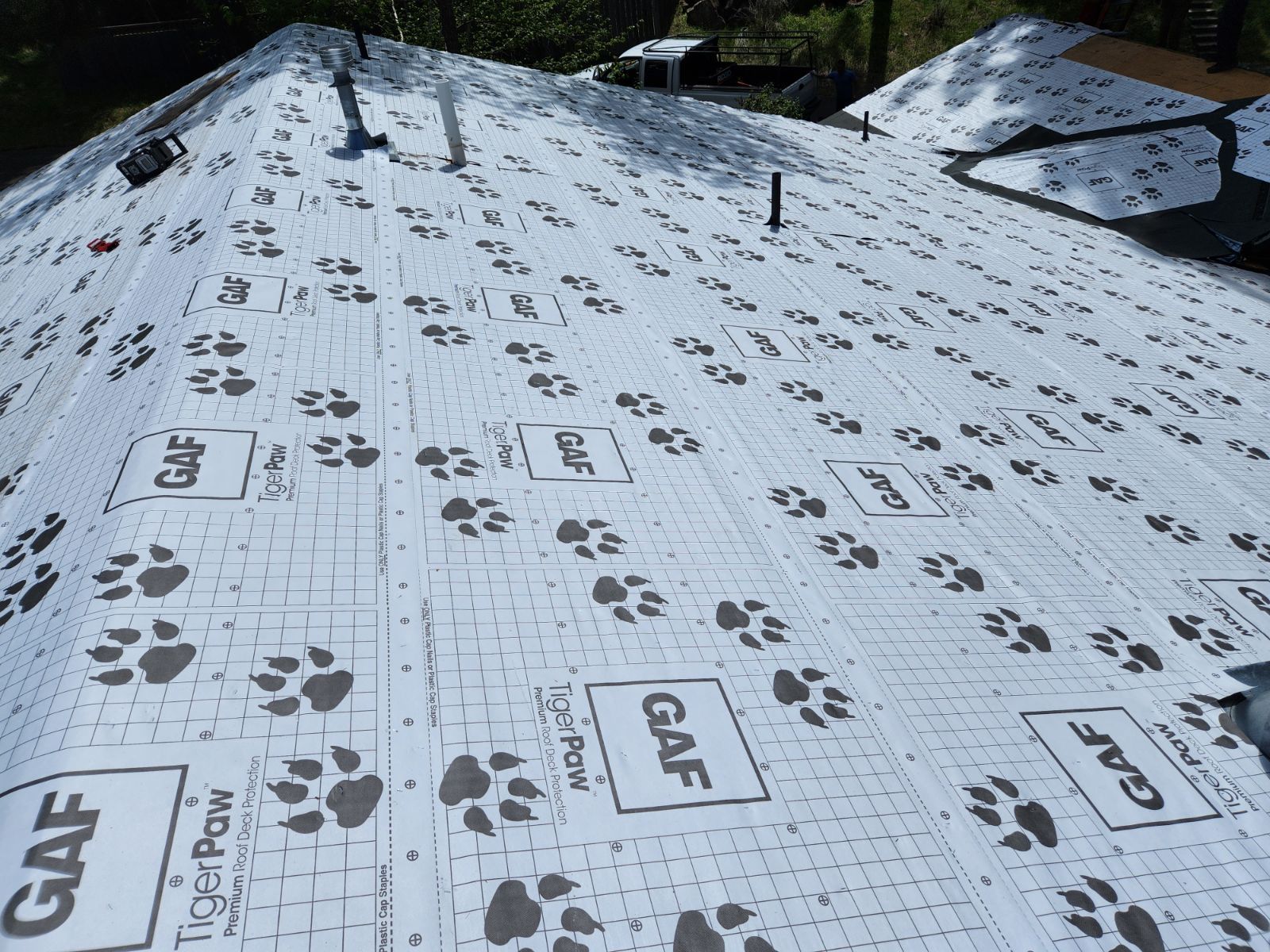
Six Steps to a Fire-Ready Roof
Work through these before the height of fire season. Most take an afternoon — and the last one is on us.
1. Clear the Roof & Gutters
Remove pine needles, leaves, and debris from the roof surface, valleys, and gutters. This is the number-one place embers take hold.
2. Inspect Shingles & Flashing
Look for cracked, curled, or missing shingles and damaged flashing. Any gap is a way in for wind-driven embers.
3. Screen & Seal Vents
Cover attic and roof vents with fine metal mesh and seal open edges so embers can't slip into the attic.
4. Trim Overhanging Limbs
Cut back branches that hang over or touch the roof. They drop debris and give flames a direct path to the structure.
5. Clear the Roof Edge Zone
Keep the first few feet around the base of the walls and under eaves free of firewood, bark mulch, and dry plants.
6. Get a Pro Inspection
Have a roofer check the parts you can't safely reach and catch small problems before they matter. Ours are free.
Wildfire & Your Roof: FAQs
Yes — a big one. Homes in wildfires are most often ignited by embers rather than direct flame, and the roof is the largest surface those embers can land on. A clean, sound, fire-rated roof removes the easiest foothold an ember has on your home.
Class A is the highest roofing fire-resistance rating. It means the roof covering resists catching fire and slows the spread of flame across its surface. Most quality asphalt fiberglass shingles and properly installed metal roofs carry a Class A rating.
Both can achieve a Class A rating, so both are strong options. Metal is non-combustible and extremely durable, which makes it a popular choice for homes surrounded by trees. Shingles are more budget-friendly and still perform well when they're in good condition. We'll help you weigh the trade-offs for your specific home.
At minimum, clear debris at the start of fire season and again after any big wind event. If you're under heavy pine cover, checking every few weeks through the dry months is worth the effort. Dry needles in a valley or gutter are exactly what embers are looking for.
Absolutely. We offer fast, free estimates and inspections. We'll check the areas that are hard or unsafe to reach yourself, flag any weak points, and give you an honest read on whether you need a repair, a few small fixes, or nothing at all right now.
We're locally owned and cover Klamath Falls, Medford, Ashland, Central Point, Eagle Point, Talent, Phoenix, and the surrounding communities across the Rogue Valley and Klamath Basin. We also offer 24/7 emergency service if a storm or fire event leaves your roof exposed.
I first met Rob about 25 years ago. When he did my first roof I was so impressed, I had him do two other roofs that same year. Since then, Rob has roofed or helped roof several of my places. He is a man of integrity. Does a great job. One of the most knowledgeable men I've ever met. When it comes to any kind of roofing I highly recommend him.
Roofing Built for Oregon Conditions
Metal Roofing
Non-combustible, long-lasting, and a smart fit for homes surrounded by trees. A durable upgrade for fire country.
Learn MoreRoof Replacement
Aging roof? We install Class A fire-rated systems fast, with extended warranties and a clean jobsite every day.
Learn MoreRoof Repair
Missing shingles or damaged flashing before fire season? We fix the weak points fast, with 24/7 emergency service.
Learn MoreA Roofer This Region Trusts
Nearly 38 Years' Experience
Almost four decades of roofing across Southern Oregon — from run-of-the-mill shingles to complex commercial systems.
Locally Owned & Operated
We live and work here. That means we know the local fire risk firsthand — and we take real pride in the work.
Licensed, Bonded & Insured
Fully covered, so your property is protected from the first day on the job to the last nail.
Versico & IB Authorized
A Versico Roofing Authorized Contractor and IB Roofing System Authorized Installer for quality-backed systems.
24/7 Emergency Service
When a storm or fire event leaves your roof exposed, we're reachable around the clock to help you secure it.
Fast, Free Estimates
No pressure and no cost to find out where your roof stands. Same-day bids on many projects.
Make the Wright Call for Fire Season
Don't wait for the first red-flag warning to think about your roof. A free inspection now is the simplest wildfire protection you can put in place — and it costs you nothing to find out where you stand.
Reach Out
Call or click for a fast, free estimate. Tell us about your home and its setting.
We Inspect
We check the roof top to bottom and flag any fire-season weak points honestly.
You're Protected
We handle the repairs or replacement so your roof is ready before the season peaks.