
The Roof Line in the Inspection Report That Kills Deals
Nobody Thinks About the Roof Until There's a Deadline
A house goes under contract, the inspection happens, and a week later we're getting a call from a seller, a buyer, or an agent standing in a driveway with a report in hand and eleven days left on a contingency. The roof section has a few lines in it that nobody quite knows how to price, and both sides are guessing. That guess is usually expensive for somebody.
It doesn't have to work that way. Most of what shows up in that report is knowable months ahead, and most of it is cheaper to handle before a buyer's inspector puts it in writing. This is a plain explanation of what actually gets flagged on a roof, what it typically means, and how to keep it from becoming a negotiation you lose.
Get a Free Estimate
Four Things That Decide How the Roof Affects Your Sale
Written for both sides of the table. If you're selling, this is what to get ahead of. If you're buying, this is how to read what you've been handed instead of panicking or shrugging.
What Home Inspectors Actually Write Down
Start with what a home inspector is and isn't. They're generalists reporting visible condition on the day they showed up. They aren't roofers, they don't pull shingles back, and they can't tell you how many winters you have left. Plenty of them won't set foot on a steep, wet, or high roof at all — they'll note it was viewed from the ground or by drone. That line is not a clean bill of health. It means nobody looked closely.
The items that show up over and over on Basin and Rogue Valley homes are pretty consistent. Cracked rubber pipe boots, which fail from UV years before the shingles around them do and are one of the cheapest fixes on a roof. Exposed or backed-out nail heads at flashings. Old repairs slathered in roofing tar, which reads to any inspector as "someone was chasing a leak here." Moss on north-facing slopes. Granule loss showing up as grit in the gutters. Cupped or curled shingle edges. Missing kick-out flashing where a roof edge dies into a wall — a small omission that quietly rots siding for a decade.
Two findings carry real weight because they change the scope of any future work: evidence of more than one layer of shingles, which means a full tear-off is mandatory rather than optional, and any sag or wave in the roof plane, which points at the decking or framing underneath rather than the surface. Everything else on a typical report is a few hundred dollars and an afternoon. Those two are conversations.
"This is a family owned business with good teamwork skills in getting things done!! Very affordable and always a follow up to ensure customer satisfaction!"
See our profileAge Is Not the Same as Condition
Everyone wants a number: how many years are left? The honest answer is that a roof's age tells you less than people assume. A twenty-year-old roof on a shaded north slope in Klamath Falls can be in worse shape than a twenty-five-year-old roof on a south-facing pitch that's been kept clear. Elevation, exposure, ventilation, and how the thing was installed in the first place matter more than the date on the permit.
What we're actually looking at is whether the shingle still behaves like a shingle. Does it lay flat, or has it curled and gone brittle at the edges? Do the tabs still seal to the course below, or can you lift them by hand? Is the surface losing granules faster than normal, exposing the mat underneath? Are the fasteners holding? A roof that's soft underfoot in spots is telling you the decking has been wet, and that's a different job entirely.
For sellers, the useful move is knowing this before you list rather than finding out during a contingency. For buyers, "the roof is fifteen years old" is not a reason to walk and not a reason to relax — it's a reason to get somebody up there. We go deeper on the aging question in the silent warning signs of roof issues.
"We had our roof fully replaced and a rafter repaired. From start to finish the customer service and work is outstanding. Thank You Wrights Roofing!!"
See our profile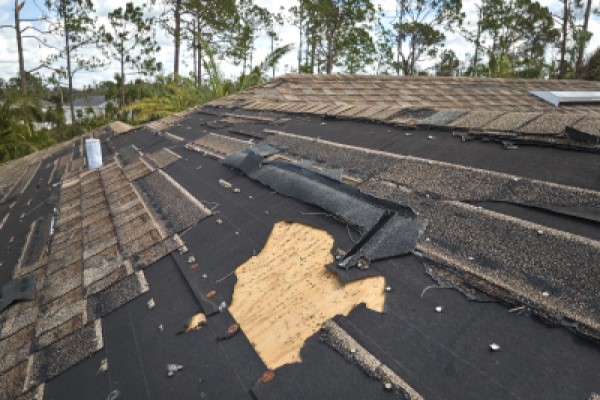
The Two Parties Who Can Stop a Closing
The inspector writes a report. The lender and the insurance carrier make decisions. On government-backed financing especially, appraisers are generally expected to flag a roof with active leaks or one that's visibly at the end of its service life, and lenders can require repairs before funding. That turns a maintenance item into a closing condition on somebody else's timeline.
Insurance is the one that's changed most in the last few years, and Southern Oregon has felt it. Carriers vary widely, so check your own policy and talk to your agent — but broadly, more of them are asking how old the roof is before they'll write a policy, and some settle older roofs at depreciated value rather than full replacement cost. In a wildfire-exposed region, underwriting has tightened further. A buyer who can't get affordable coverage is a buyer who can't close, which makes the roof the seller's problem whether or not that seems fair.
Being local matters here in a practical way. We're based on Crest Street in Klamath Falls and we work the Basin and the Rogue Valley daily, so we know which neighborhoods have the layered-roof problem, what the previous owner's "repair" usually looked like, and how to write a scope that a lender or adjuster will actually accept.
"Family owned business, and these are good people. They've been very kind and helpful to our family."
See our profileFix It, or Knock It Off the Price?
Sellers usually want to offer a credit. Buyers usually want the work done. Both positions have a case, and which one is right depends mostly on scope. For small, well-defined items — boots, flashing, a section of ridge, a dozen missing shingles — doing the work is almost always the better trade. It's cheap, it closes the issue, and it removes the buyer's excuse to reopen negotiations. A credit for a $600 repair frequently gets argued up to $3,000 because nobody in the room actually knows the number.
For a full replacement it's genuinely a judgment call. Replacing before you list makes the house show better and lets you advertise a new roof, which is one of the few improvements buyers give real credit for. Replacing under contract, on a deadline, with a buyer's agent watching, tends to cost more and satisfy fewer people. And a buyer who takes a credit gets to choose their own material and color, which some prefer.
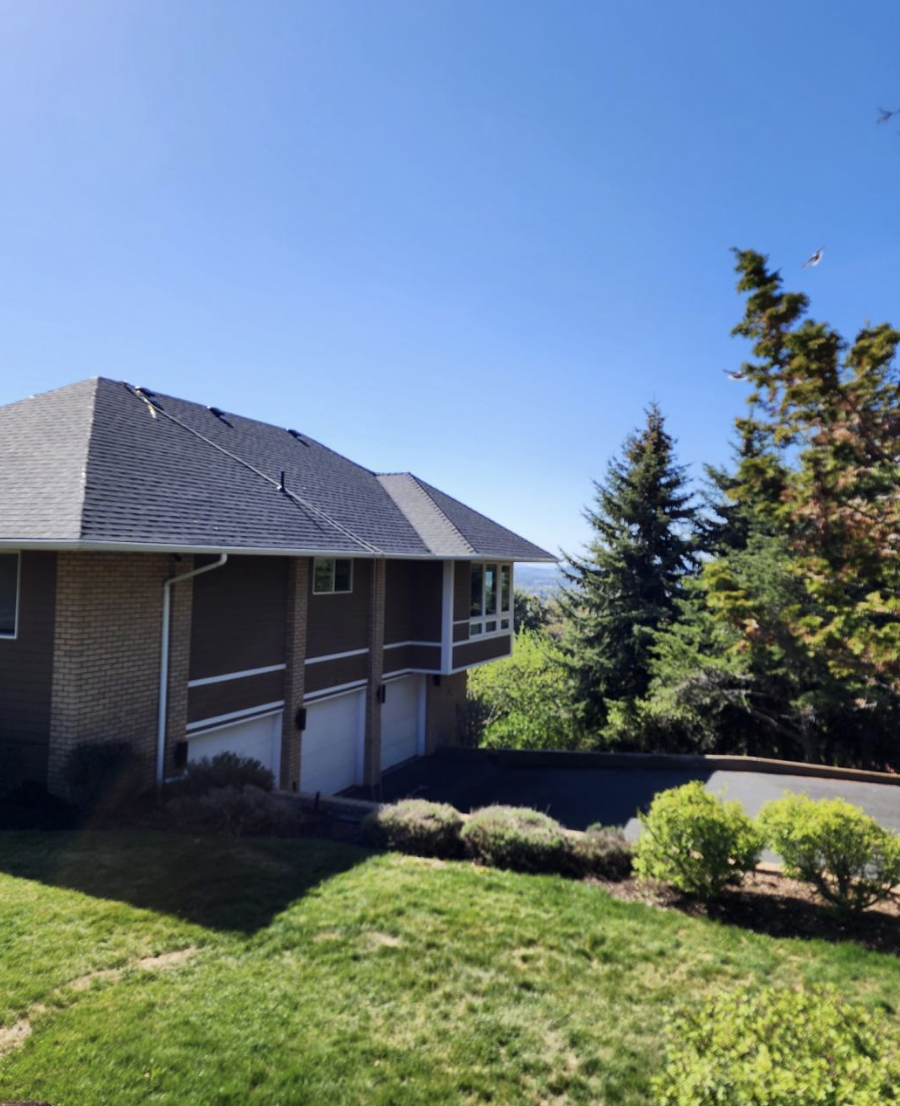
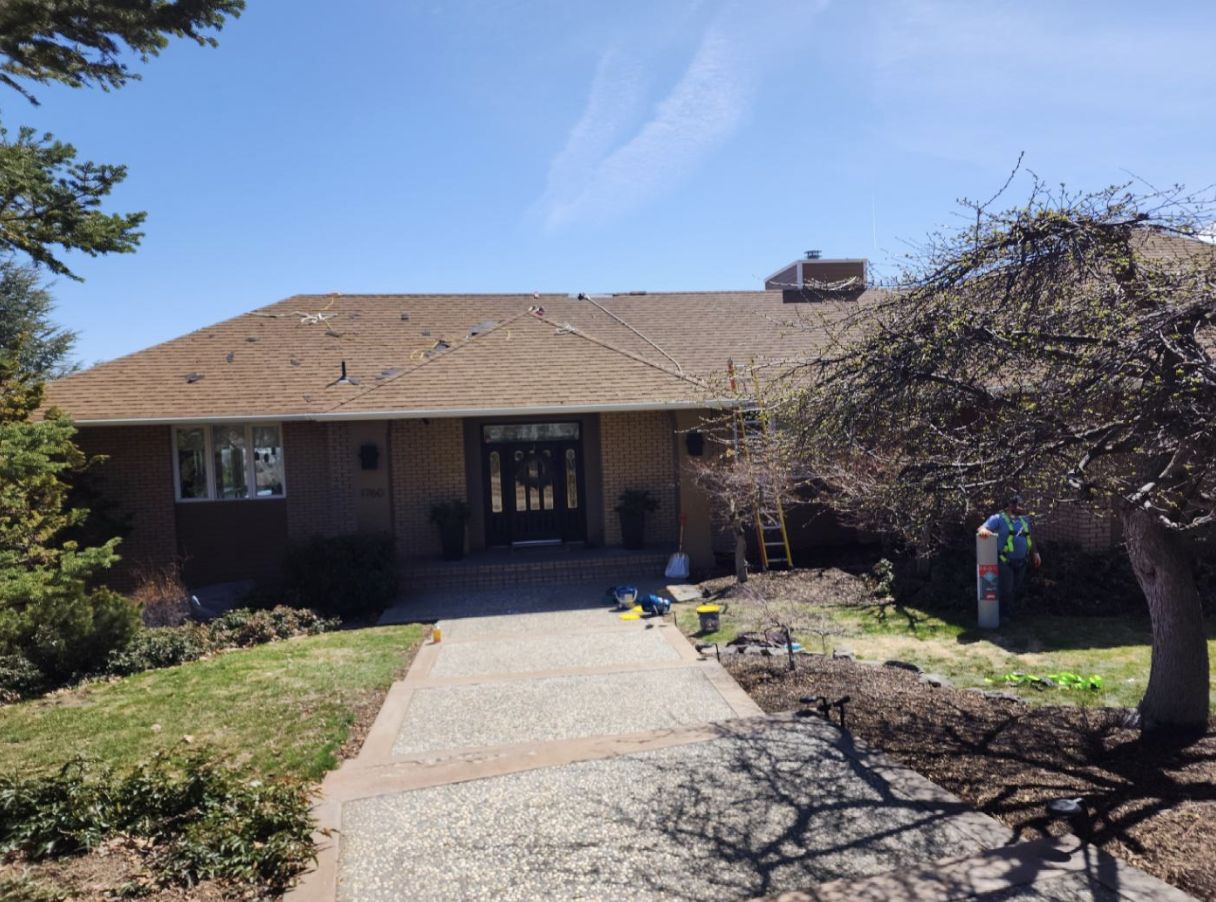
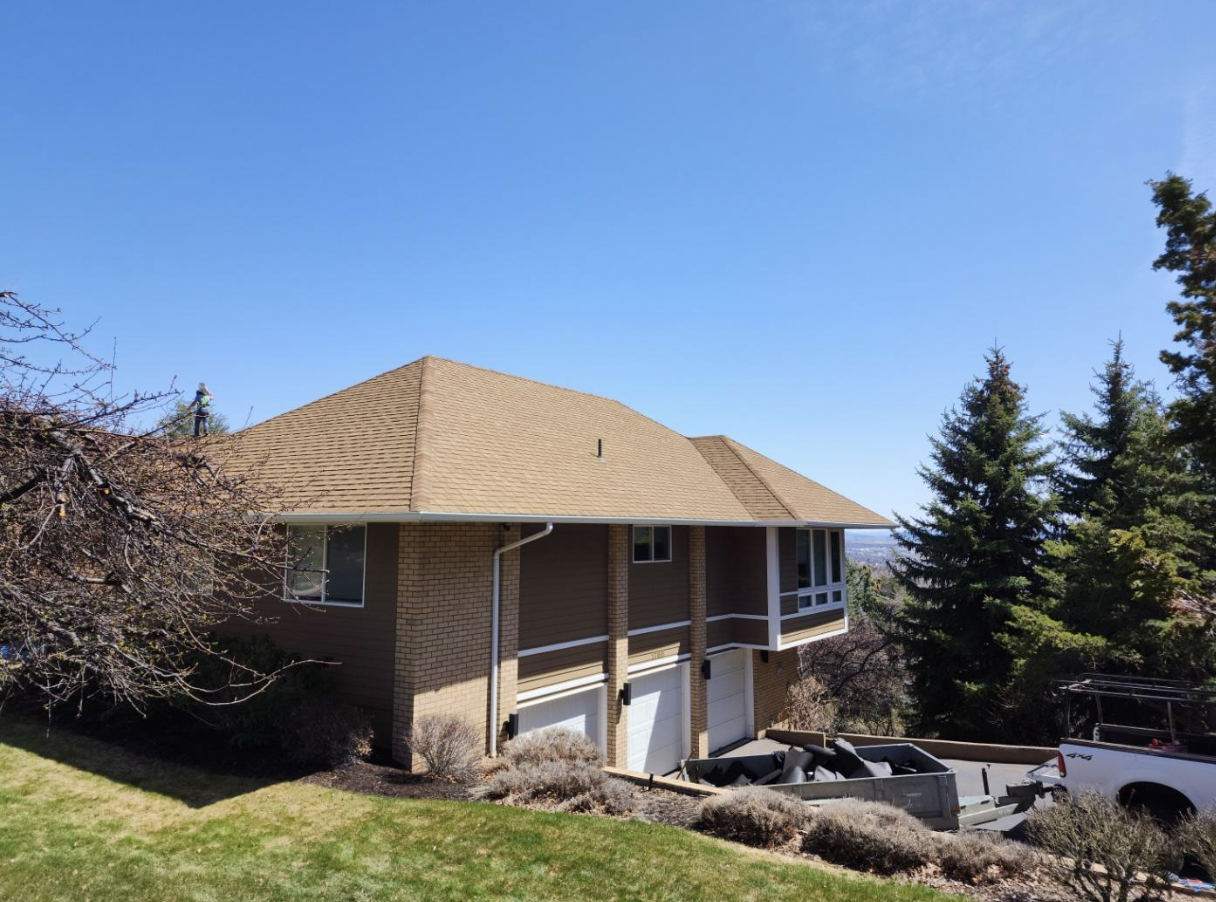
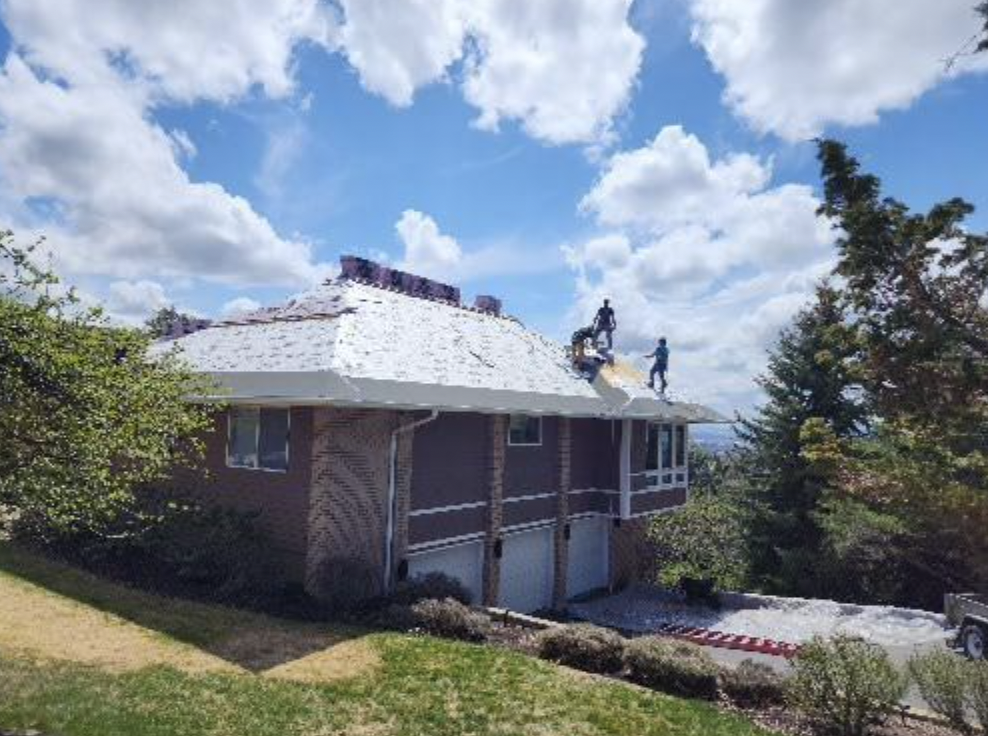
Whichever way it goes, documentation is worth more than people realize. Keep the invoice, the warranty paperwork, and photos of the decking and underlayment stage — the parts nobody can see once shingles are on. That folder answers the next inspector's questions before they're asked. It's the same reason we photograph our work as we go, whether it's a straightforward roof repair or a full roof replacement.
"Great roofing company, very nice people, super respectful! Definitely recommend over other roofers these guys are just super nice"
See our profile
A Bid You Can Hand to Somebody Else
In a transaction, your roofer's paperwork gets read by people who weren't there — the other agent, an underwriter, sometimes a lender. It needs to be specific, defensible, and delivered before the window closes.
- Written, itemized scopes that separate must-fix from can-wait
- Fast free estimates — we know what a contingency clock is
- Nearly 38 years of local work behind every opinion we give
- Licensed, bonded, and insured, with photo documentation as we go
- Warranty paperwork the next owner can actually use
The Pre-List Version, Start to Finish
Six weeks before you list is the sweet spot. Here's how it goes.
Call Before You List
Tell us your rough timeline. We'll work backward from your listing date rather than the other way around.
We Walk It Properly
On the roof, not from the driveway. Field, flashings, penetrations, valleys, edges, and a look in the attic.
You Get the Real List
Everything a buyer's inspector would find, sorted into what to fix now and what honestly doesn't matter.
We Handle the Fixes
Most pre-list punch lists are a day of work. Full replacements typically run under a week.
You Get the Paperwork
Invoice, scope, warranty, and photos — the packet you hand a buyer's agent when the question comes up.
You List Without the Unknown
The roof stops being a negotiating lever and starts being a selling point.
Roofs and Real Estate, Answered
If the roof is functionally fine and just aging, leave it and price accordingly. If it's leaking, has visible failure, or is old enough that buyers will struggle to insure it, replacing before you list usually nets better than the credit you'd end up negotiating. Get a real number first — the decision is different at $9,000 than at $22,000, and guessing is how sellers talk themselves into the wrong choice.
Yes, and we do it regularly during inspection periods. We need the seller's or listing agent's permission for access, which your agent can usually arrange in a phone call. You'll get a written scope you can take back to the negotiating table with actual numbers instead of an internet estimate.
Treat it as a rough impression, not a measurement. Home inspectors are generalists giving a visual opinion, often without walking the roof, and a range that wide is really saying "not obviously failing." A roofer looking at shingle flexibility, seal integrity, fastener condition, and the state of the decking can give you something much closer to a usable answer.
Sometimes it's permitted, but we rarely recommend it and never on a house that's about to change hands. An overlay hides whatever the decking is doing, adds weight, tends to shorten the new roof's life, and it becomes the next owner's expensive surprise. It also means the following replacement requires tearing off two layers. Saving a little now to hand somebody a bigger problem isn't a trade we're comfortable making.
Manufacturer warranties on the material are often transferable, though the terms and any transfer window vary by manufacturer and product, so read the paperwork. Workmanship coverage depends on the contractor. We typically double the manufacturer's warranty on repairs and provide extended service on replacements, with the specifics varying project to project — worth confirming in writing while you still own the house.
It can be, especially on rural and higher-elevation properties where buyers are thinking about snow shedding, longevity, and fire exposure. It costs more up front and it isn't right for every house or every neighborhood. If you're weighing it as part of a pre-sale replacement, we'll price metal roofing in Southern Oregon next to a shingle bid so you can compare against what your market will actually pay for.
Rightfully so I was hesitant to go with a new company I hadn't dealt with before but I gave it a shot. I'm glad I did. Robert, his son, and his crew were extremely respectful of our space and our home. They cleaned up the worksite nicely without and nails or paper left behind. I had a few special requests that I wanted done my way and they did it without hesitation.
Related Services
Roof Replacement
Full tear-offs with a fast, clean process — the option most sellers choose when a roof is past repair.
Learn MoreMetal Roofing
Standing seam and corrugated systems built for snow, sun, and rural exposure across Southern Oregon.
Learn MoreRoof Repair
Boots, flashing, leaks, and inspection punch lists handled inside your contingency window.
Learn MoreLocally Owned. Licensed. Bonded. Insured.
Nearly 38 Years Local
Repairs, replacements, metal systems, and complex commercial roofs across the Basin and the Rogue Valley.
Fully Licensed & Insured
Licensed, bonded, and insured — which matters more, not less, when a property is mid-transaction.
Manufacturer Authorized
A Versico Roofing Authorized Contractor and an IB Roofing System Authorized Installer.
Documentation That Holds Up
Itemized written scopes and photos of the work as it happens, so the next inspection has answers waiting.
Free Estimates, Fast
No charge, no pressure, and quick enough to be useful when there's a contract deadline involved.
We Live Here Too
Family owned and operated out of Klamath Falls. We'll still be here when the next owner has a question.
Areas We Serve
Find Out Before Somebody Else Does
An honest look at your roof costs nothing and takes about an hour. Whether you're listing next spring or you're eleven days into a contingency, it's the same phone call.
Tell Us the Timeline
Listing date, closing date, or no date at all — we'll schedule around whichever it is.
Get a Written Scope
Itemized and free, separating what a buyer will insist on from what's genuinely optional.
Close Without the Fight
Handle it on your terms instead of somebody else's deadline, and keep the paperwork.